
Most aquarium diseases don’t start when you see them. They start long before. By the time visible symptoms appear, pathogens like Ich or Velvet may already be spreading through your system.
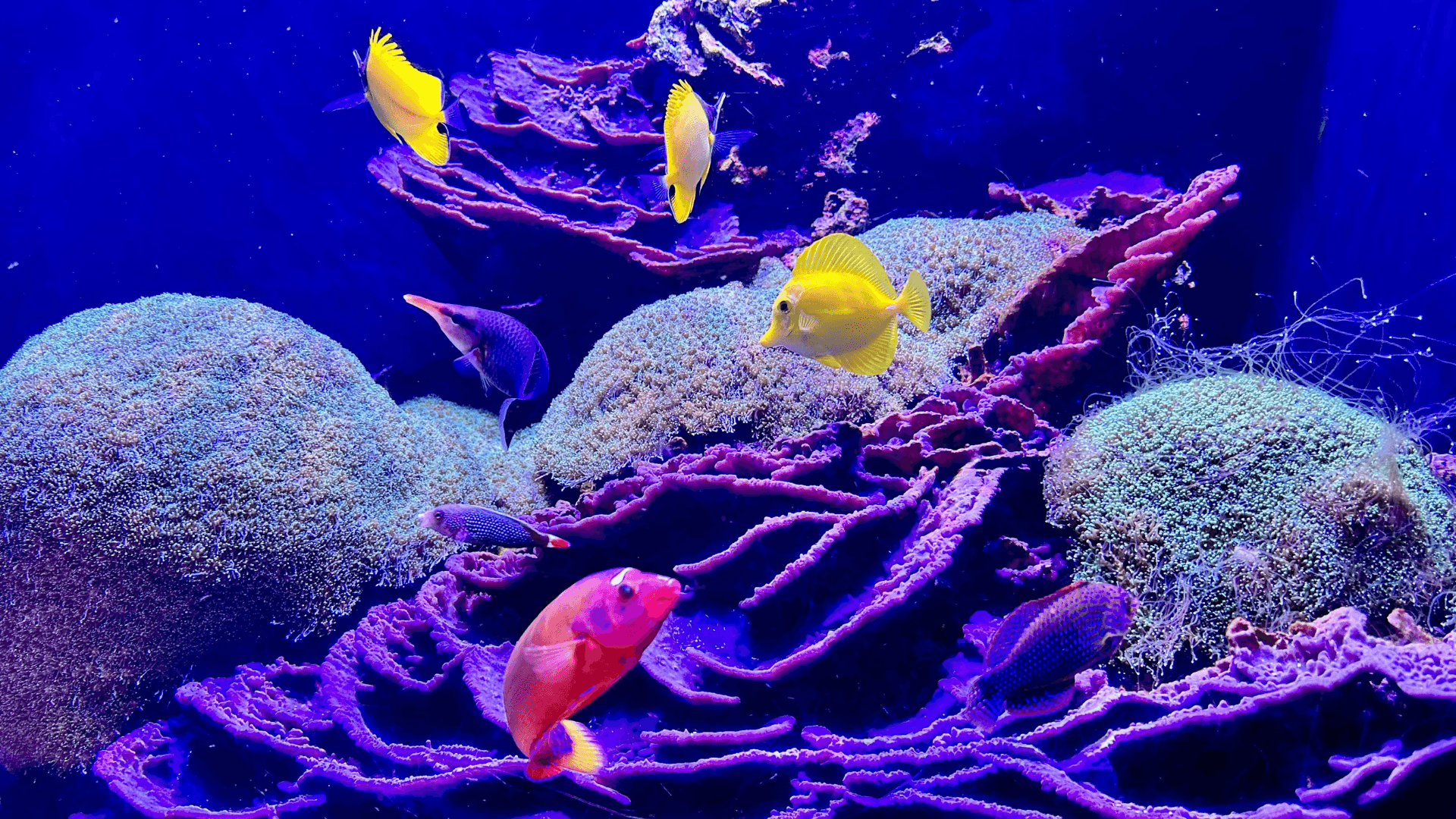
If you’re relying on visual cues alone, you’re reacting too late.
This guide will show you exactly when to test your aquarium for disease, so you can catch problems early, treat accurately, and protect your livestock using modern aquarium health testing methods.
Traditional aquarium care focuses heavily on water chemistry while pathogen detection is the missing piece.
You already test for:
But these don’t tell you if your fish are carrying disease.
Aquarium disease testing brings a new level of clarity by enabling true fish disease detection, not just symptom observation.
Aquarium pathogen testing allows you to:
Use this simple framework to know exactly when to test your tank and implement proper marine fish diagnostics.
Test your tank immediately if the answer is yes.
New fish are the #1 source of disease introduction in marine aquariums. Even if they appear healthy, they may carry pathogens at low, undetectable levels, something only proper aquarium pathogen testing can confirm. (Check this case study of an Achilles Tang)
Risks of skipping testing:
Best practice:
| Healthy-looking fish are not disease-free fish.
Behavioral changes are often the earliest sign of disease.
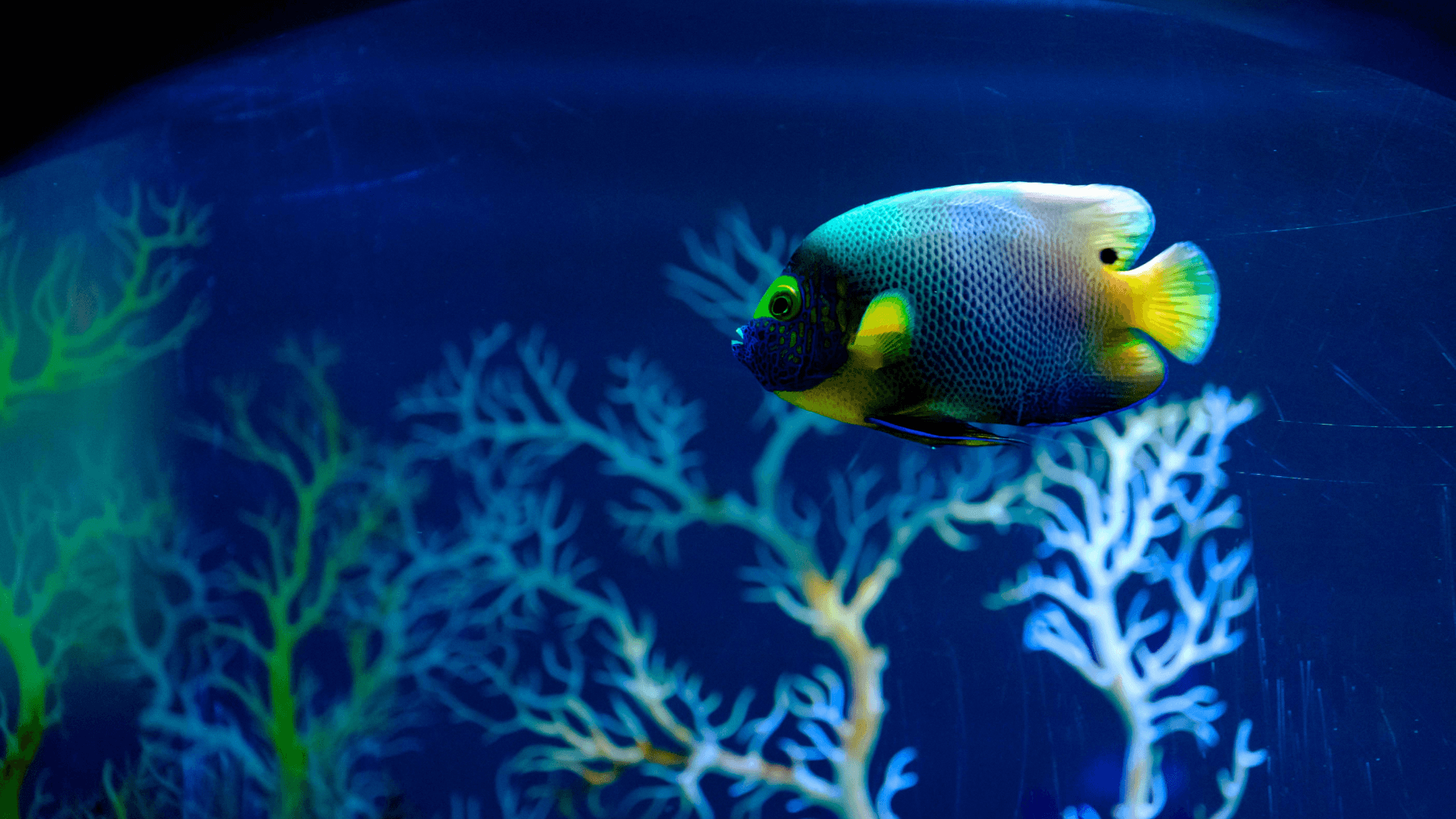
Marine Angelfish
Watch for:
The challenge? These symptoms are not specific to a single disease, making accurate fish disease detection difficult without testing.
Why testing matters here:
Using fast aquarium health testing tools, like our activeID Rapid Test, can dramatically improve outcomes.
| Behavior tells you something is wrong. Testing tells you what.
This is one of the most overlooked moments to test. Just because symptoms are gone doesn’t mean the pathogen is.
Common mistake:
Stopping treatment and assuming the disease is eliminated.
What actually happens:
What to do:
| Don’t assume success. Verify it.
Unexplained deaths are often caused by undetected or misdiagnosed infections. Fast-moving diseases like Velvet can escalate before visible symptoms appear, making early aquarium disease testing critical.
What testing helps you do:
| Every unexplained loss is a missed diagnostic opportunity.
If you have valuable livestock or operate professionally, testing should be routine, not reactive.

Peppermint Angelfish
Think of it like preventative healthcare.
Routine aquarium health testing is becoming standard among advanced hobbyists and professionals using structured marine fish diagnostics workflows.
Routine testing helps:
| Proactive systems outperform reactive ones, every time.
Not all testing methods serve the same purpose. The key is using the right tool at the right time.
Immediate Answers: Rapid Testing– For speed Best for:
Benefits:
Ideal for fast fish disease detection when symptoms are present and timing is critical. | Deep Analysis: qPCR Testing– For precision Best for:
Benefits:
This is the gold standard in aquarium pathogen testing and advanced marine fish diagnostics. |
Avoid these common pitfalls:
❌ Waiting for visible symptoms
❌ Treating without confirming the disease
❌ Skipping post-treatment testing
❌ Assuming quarantine alone is enough
If you’re asking, “Should I test my aquarium?”, the answer is usually yes.
Testing transforms aquarium care from:
Modern aquarium disease testing gives you the clarity needed to act early and act correctly.
dxAquaria makes aquarium health testing accessible, fast, and accurate, whether you need immediate answers or deep diagnostic insight.
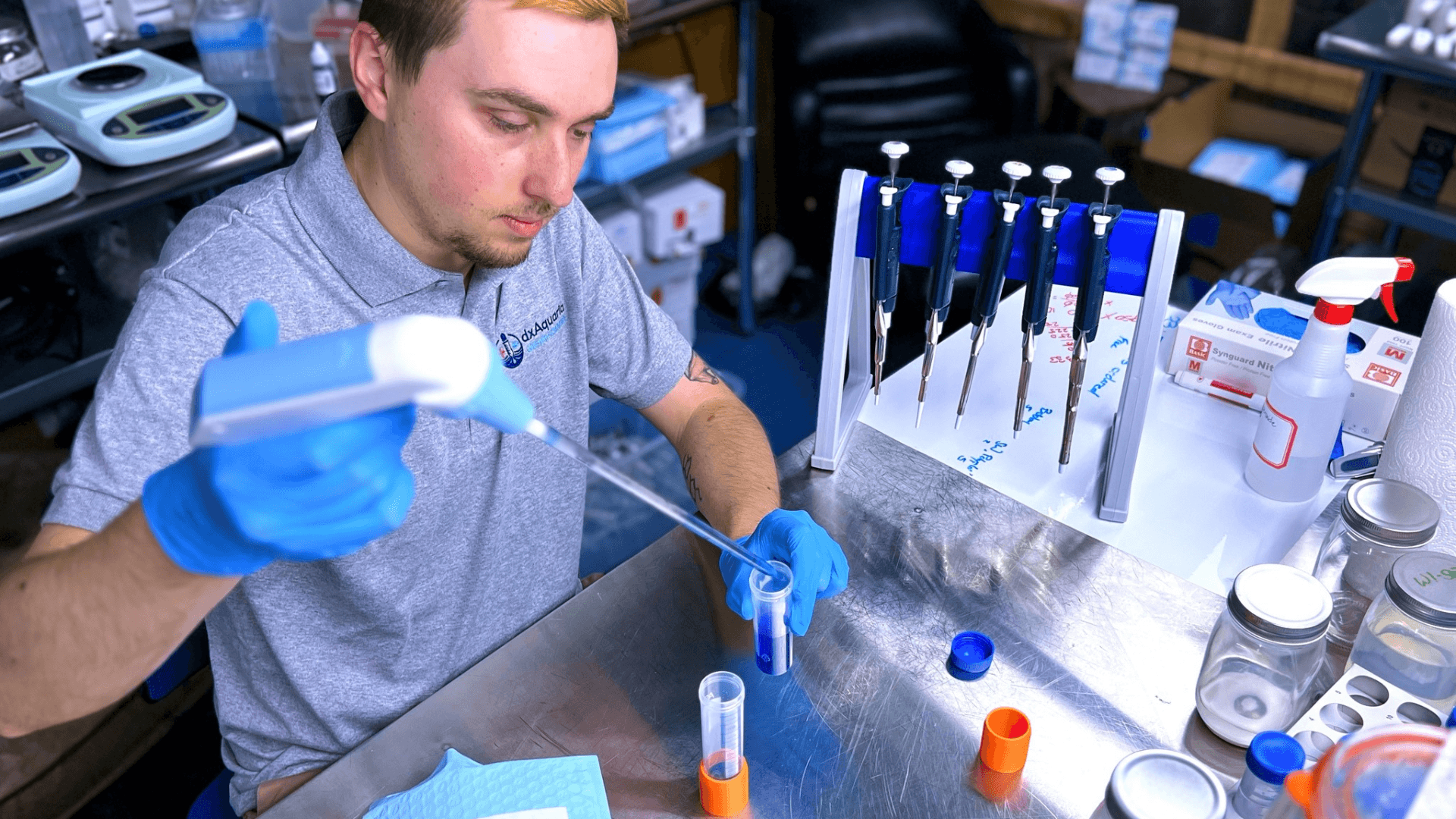
Nick G. testing water samples at dxAquaria
Your options:
activeID Rapid Test
*Detects medium to high levels of pathogens | qPCR HealthScan
*Detects low to high levels of pathogens |