
Pathogen load refers to the total amount of disease-causing organisms present within a marine or reef aquarium system at a given time. It is not simply about whether a pathogen exists in the tank, but how much of it is present and how that population is behaving within the system.
In marine aquariums, pathogen load can include organisms such as marine Ich (Cryptocaryon irritans), marine Velvet (Amyloodinium ocellatum), Uronema species, and viruses like Lymphocystis. These pathogens may exist in a system at low, moderate, or high levels, often without any immediate visible symptoms in fish.
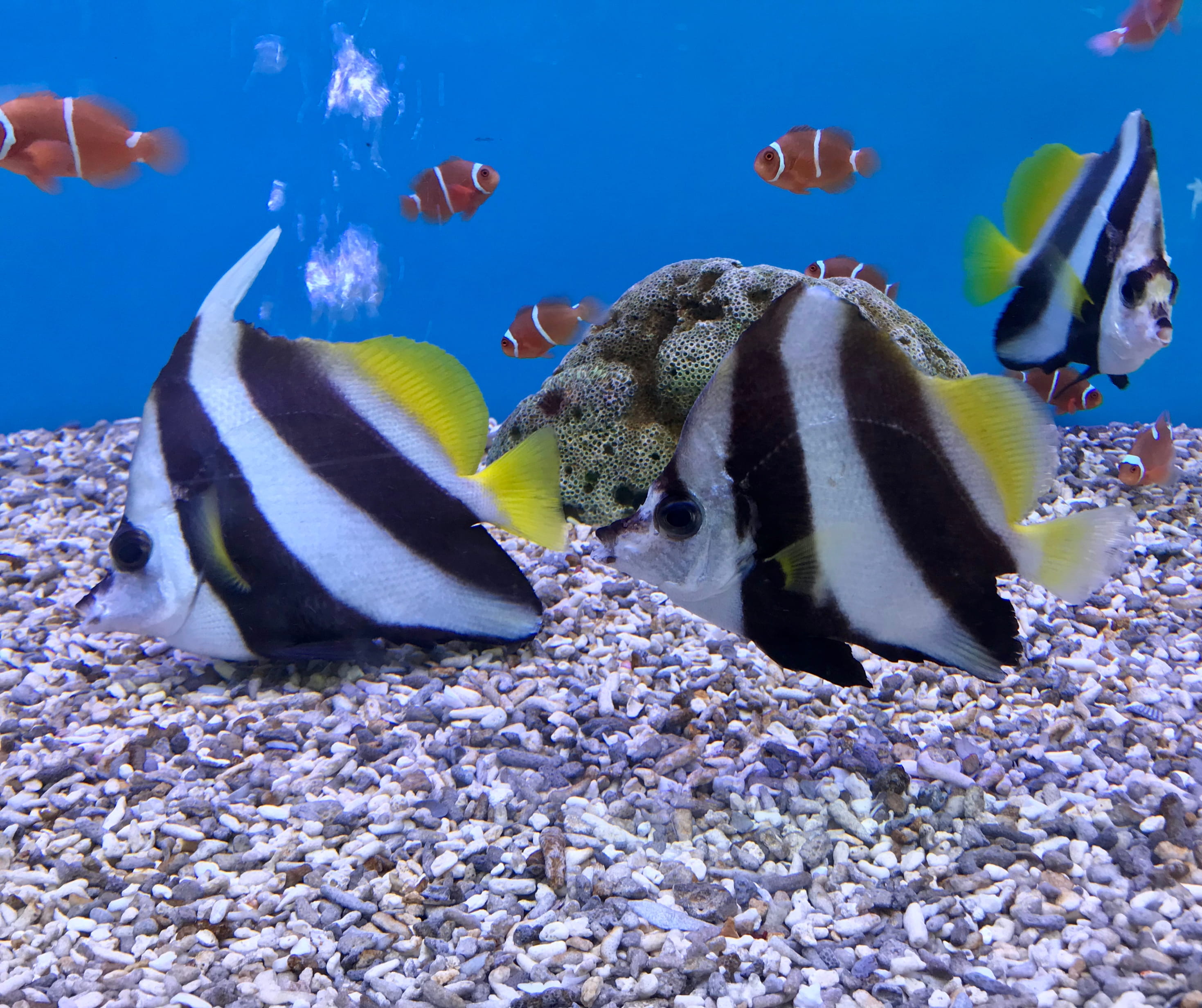
A common assumption in reef keeping is that if fish look healthy, the system is healthy. In reality, this is not always the case. Many marine pathogens are capable of persisting at low levels without producing visible signs of disease
However, “low level” does not mean “no risk.”
Even when fish appear unaffected, these organisms can still be present in the background, slowly interacting with the host and environment.
Over time, this can lead to:
In closed marine systems, pathogens are not naturally eliminated. They persist, replicate, and remain part of the system’s biological baseline unless actively addressed.
Diseases in marine aquariums rarely appear suddenly. Instead, it typically develops gradually as pathogen populations increase over time until they reach a threshold where clinical disease becomes visible.
At different stages, this progression may look like:
Low pathogen load: No visible symptoms, fish appear normal
Moderate pathogen load: Subtle behavioral changes such as flashing, reduced appetite, or mild lethargy
High pathogen load: Full disease expression, including rapid deterioration, visible lesions, respiratory distress, or sudden losses
By the time symptoms are obvious, the pathogen has been present and multiplying for some time. What appears to be a sudden outbreak is usually the end result of an ongoing, unseen buildup.
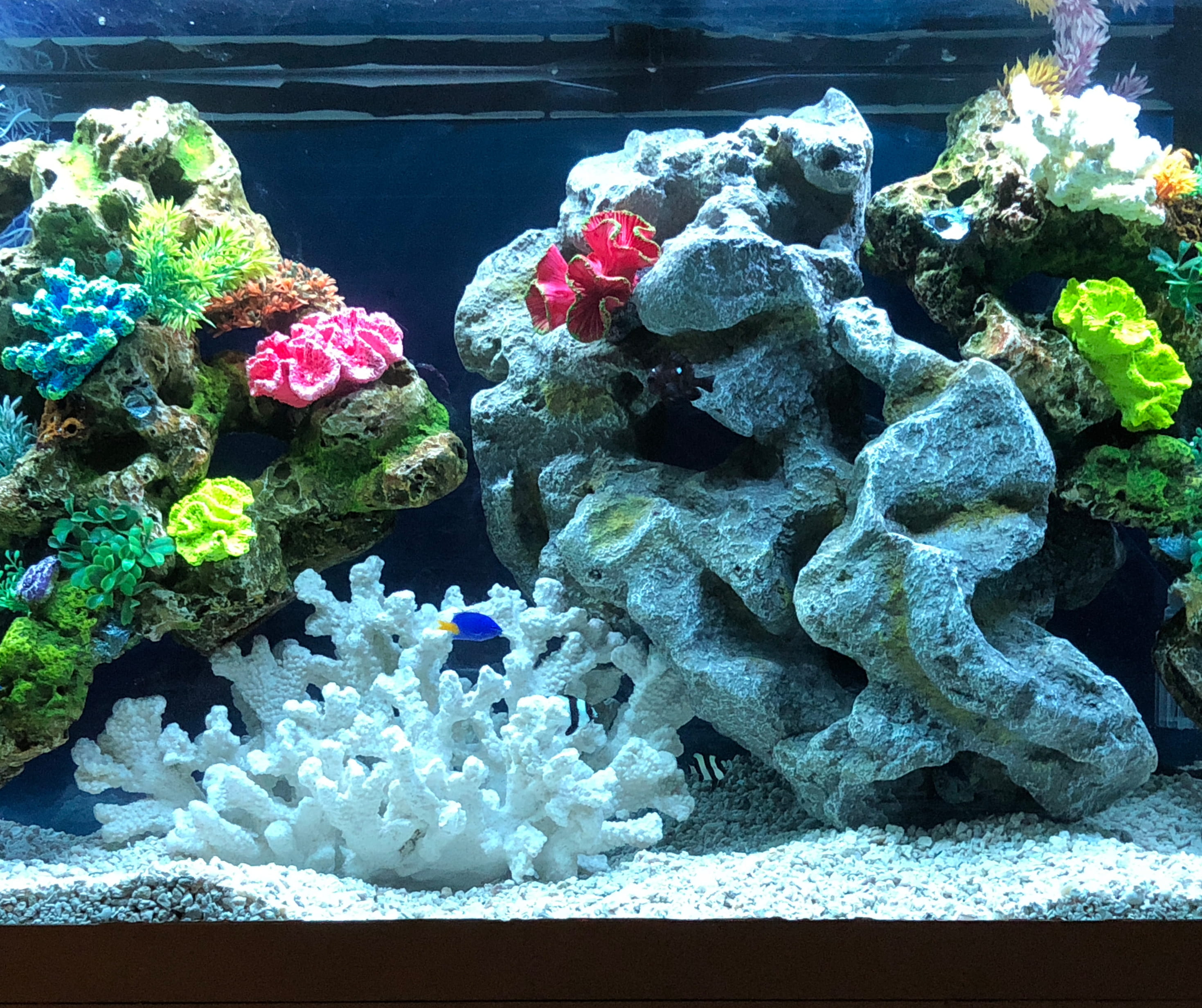
Relying solely on visual assessment has significant limitations in marine and reef aquariums. Many diseases share overlapping symptoms, and early-stage infections often produce no visible signs at all. Even experienced aquarists can misinterpret what they are seeing, especially when multiple stressors are involved.
This often leads to a reactive cycle where treatment is based on assumptions rather than confirmed diagnosis. In many cases, this results in inconsistent outcomes, not because treatments are ineffective, but because the underlying issue was never clearly identified.
Without understanding pathogen load, decisions are made with incomplete information.
Understanding pathogen load shifts aquarium health management from visual guesswork to measurable insight.
Instead of trying to identify disease based on symptoms alone, the focus becomes determining what pathogens are present in the system and at what levels.
Modern molecular diagnostics, such as our qPCR testing here at dxAquaria, make this possible by detecting and quantifying microbial DNA in water samples.
This allows aquarists to:
This approach replaces uncertainty with data, which is especially important in complex marine systems where timing and precision are critical.
Understanding pathogen load is not just informational. It directly shapes how decisions are made in the aquarium. Knowing whether a pathogen is present at a low or high level helps determine whether immediate treatment is necessary, if monitoring is appropriate, or whether quarantine measures should be implemented.
It also provides context for evaluating treatment effectiveness and identifying whether recurring issues are due to reinfection, environmental stress, or persistent pathogen presence.
In marine and reef systems, where stability is essential, this clarity can significantly change outcomes.
A clear tank does not always mean a healthy system.
In marine and reef aquariums, pathogens can exist at undetectable or subclinical levels while continuing to develop in the background.
Pathogen load provides a clearer and more accurate understanding of what is actually happening within the system. By shifting focus from visible symptoms to measurable biological presence, aquarists can move from reactive treatment to proactive health management.
Start testing your marine system with dxAquaria and understand what’s really happening beneath the surface.