
When marine fish disease appears in an aquarium, most hobbyists immediately blame pathogens like Ich or Velvet.
That’s only part of the story.
In many cases, these pathogens are already present in your system at low levels. What determines whether they stay under control, or explode into a full outbreak, is stress.
Stress is the invisible trigger that weakens fish, disrupts stability, and allows disease to take hold.
Stress in marine fish isn’t just behavioral, it’s biological.
When fish are stressed:
This creates the perfect conditions for pathogens to multiply.
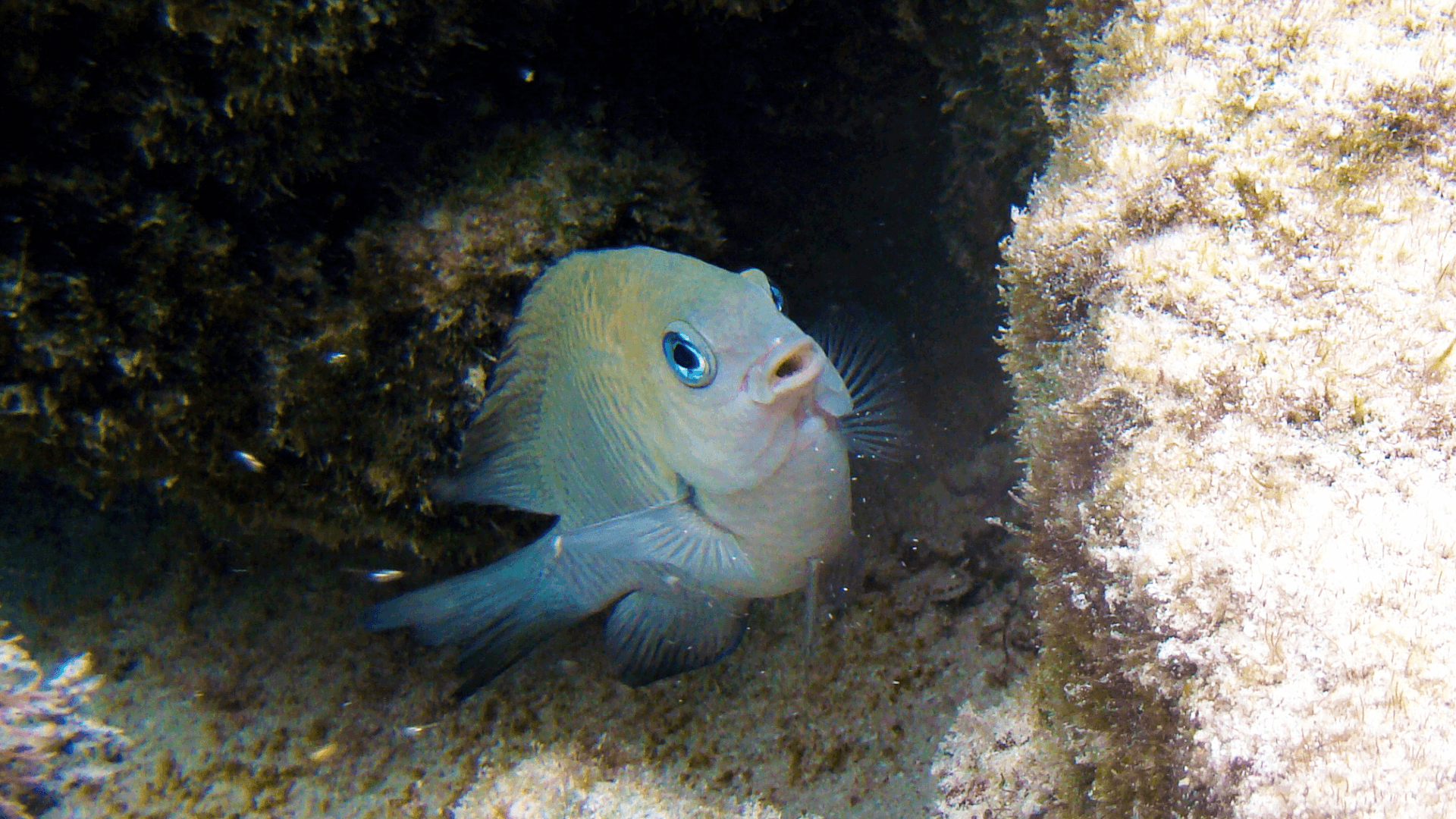
To prevent marine fish disease, you need to understand what causes stress in the first place.
The journey from supplier to your tank is one of the most stressful events a fish will ever experience.
During this process, fish are exposed to:
By the time they reach your aquarium, their immune system is already compromised.
What this means:
Tank dynamics can make or break marine fish health. Stress from aggression or overcrowding is often chronic and harder to detect.
Common signs include:
Over time, this ongoing stress weakens fish and increases vulnerability to disease.
Marine fish depend on stable conditions. Even small fluctuations can trigger stress responses.
Key stressors:
These changes force fish to constantly adapt, pulling energy away from immune function.
Even well-intentioned changes can introduce stress.
Examples include:
Fish thrive on consistency. Sudden changes disrupt their environment and elevate stress levels.
The progression from stress to disease follows a predictable pattern:
This is why many marine fish diseases often feel “sudden”, when in reality, they have already been developing beneath the surface.
Recognizing stress early is critical to preventing outbreaks.
Watch for:
Many of these signs overlap with early-stage disease.
Many aquarists rely on visual symptoms alone.
But here’s the issue – the same symptoms can mean very different things:
What happens when you guess:
Not all symptoms mean disease, but stress can quickly turn into it.
While stress is unavoidable, it can be managed.
Even with good practices, stress can still happen. The key question is “Has stress progressed into marine fish disease?”
This is where testing becomes essential.
Why Testing Changes Everything
Testing removes guesswork and provides clarity. With proper aquarium pathogen testing, you can:
When to test:
Marine fish disease is rarely random. It’s typically the result of underlying stress combined with pathogen presence.
The most effective approach combines:
This is how you move from reactive care to proactive control.
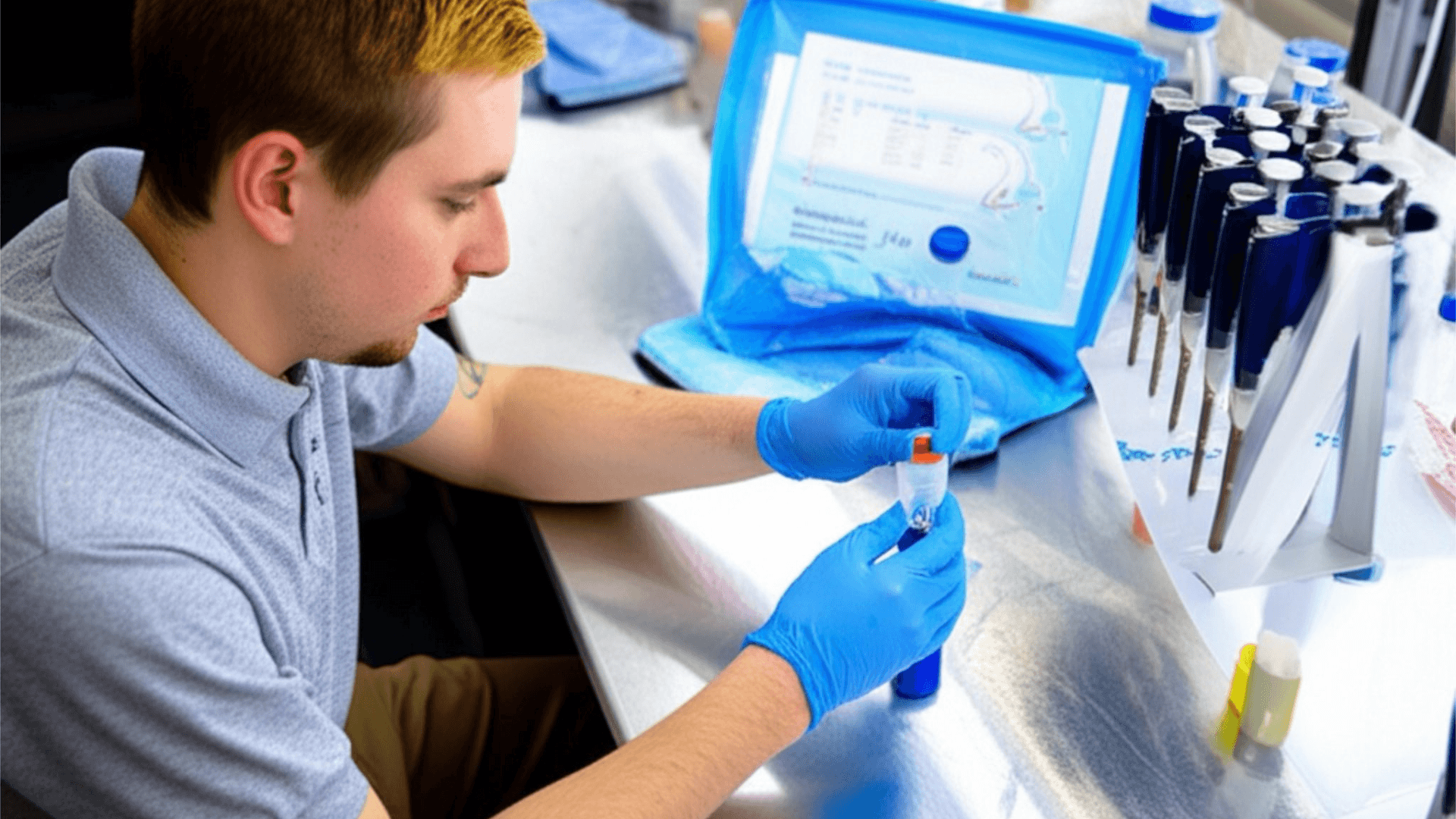
Our qPCR HealthScan is one of the best test kits you can use to detect marine fish disease early. It’s a lab-based precision test that can detect even low levels of pathogen present in your system. With regular testing, you can quantify pathogens and stop disease before it spreads.