
Uronema (uronema marinum) is a free-living protozoan parasite commonly found in marine environments.
Unlike parasites such as Marine Ich or Velvet, Uronema does not require a host to survive. It can exist in your aquarium water and substrate, waiting for the right conditions to infect weakened fish.
This makes it particularly dangerous and nearly impossible to remove from systems once established.
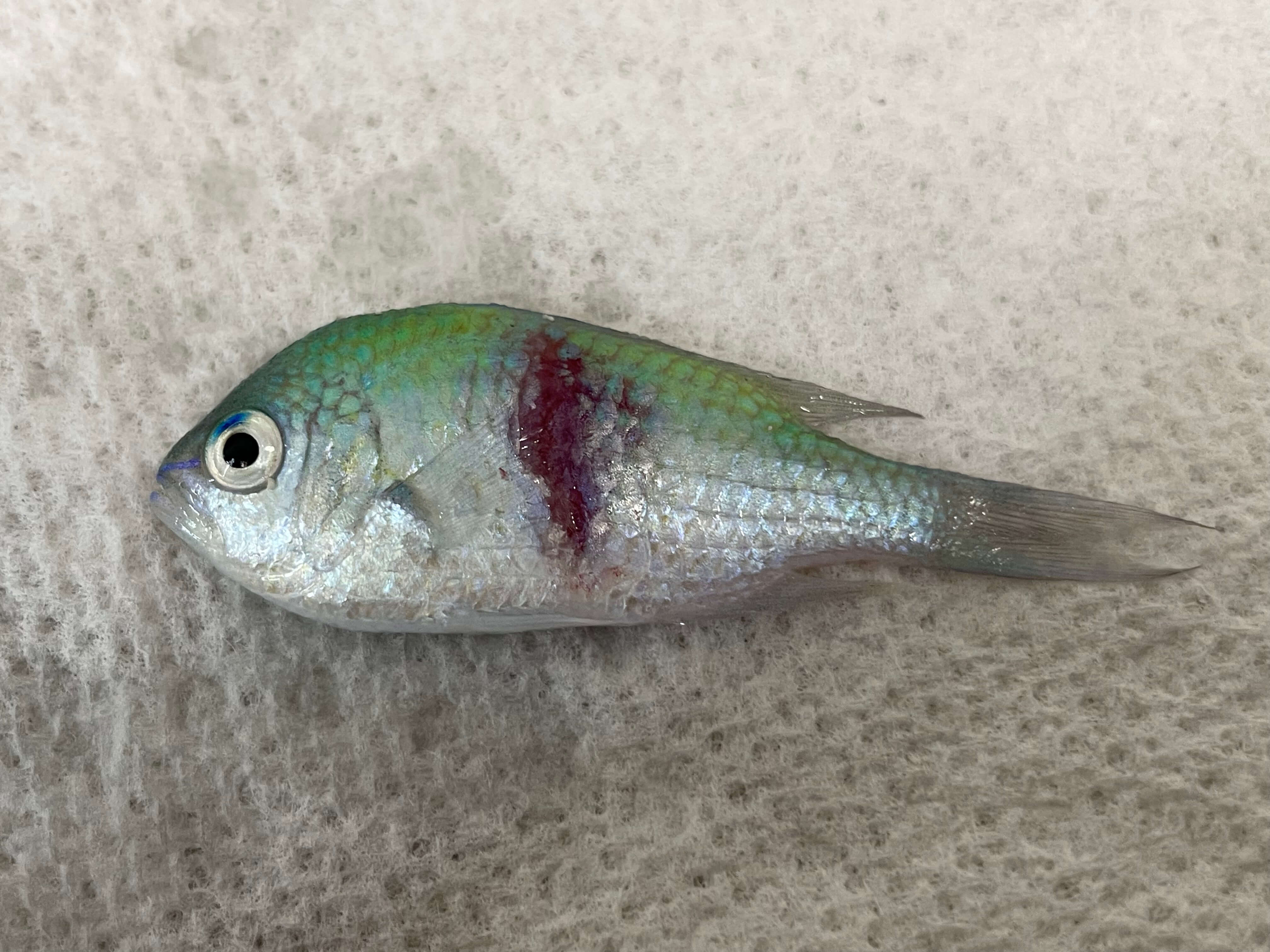
Photo Courtesy of The Reef Vet
Once Uronema infects a fish, it can spread rapidly through tissues, often causing severe damage before clear symptoms appear.
Uronema is one of the most frequently misdiagnosed diseases in marine aquariums.
That’s because its symptoms overlap with other conditions, including:
Unlike Ich or Velvet, Uronema does not always present with obvious external markers early on. By the time visible signs appear, the infection is often already advanced.
This is where many treatments fail.
Symptoms can vary depending on how far the infection has progressed, but commonly include:
In more advanced cases, you may see:
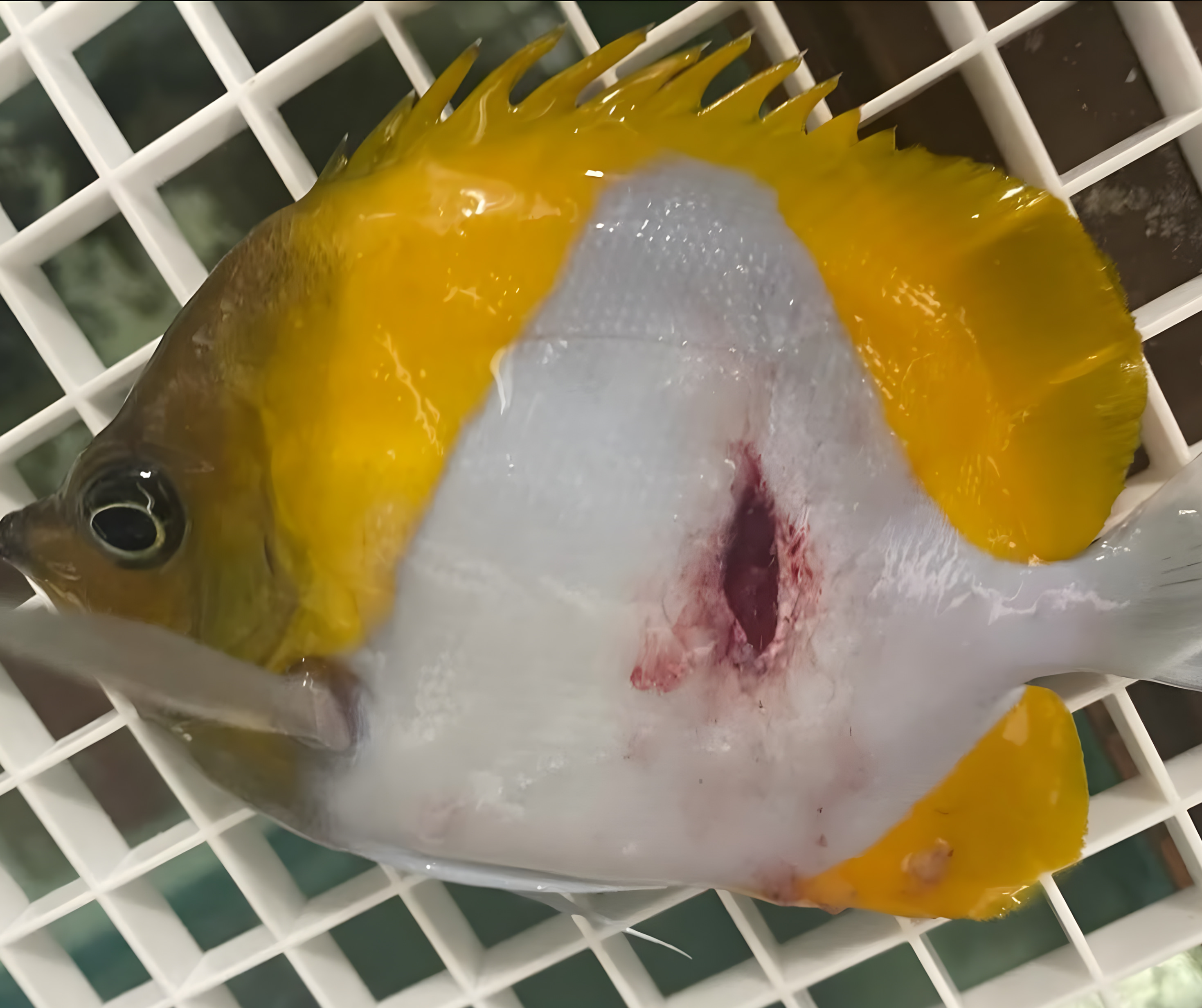
Photo Courtesy of The Reef Vet
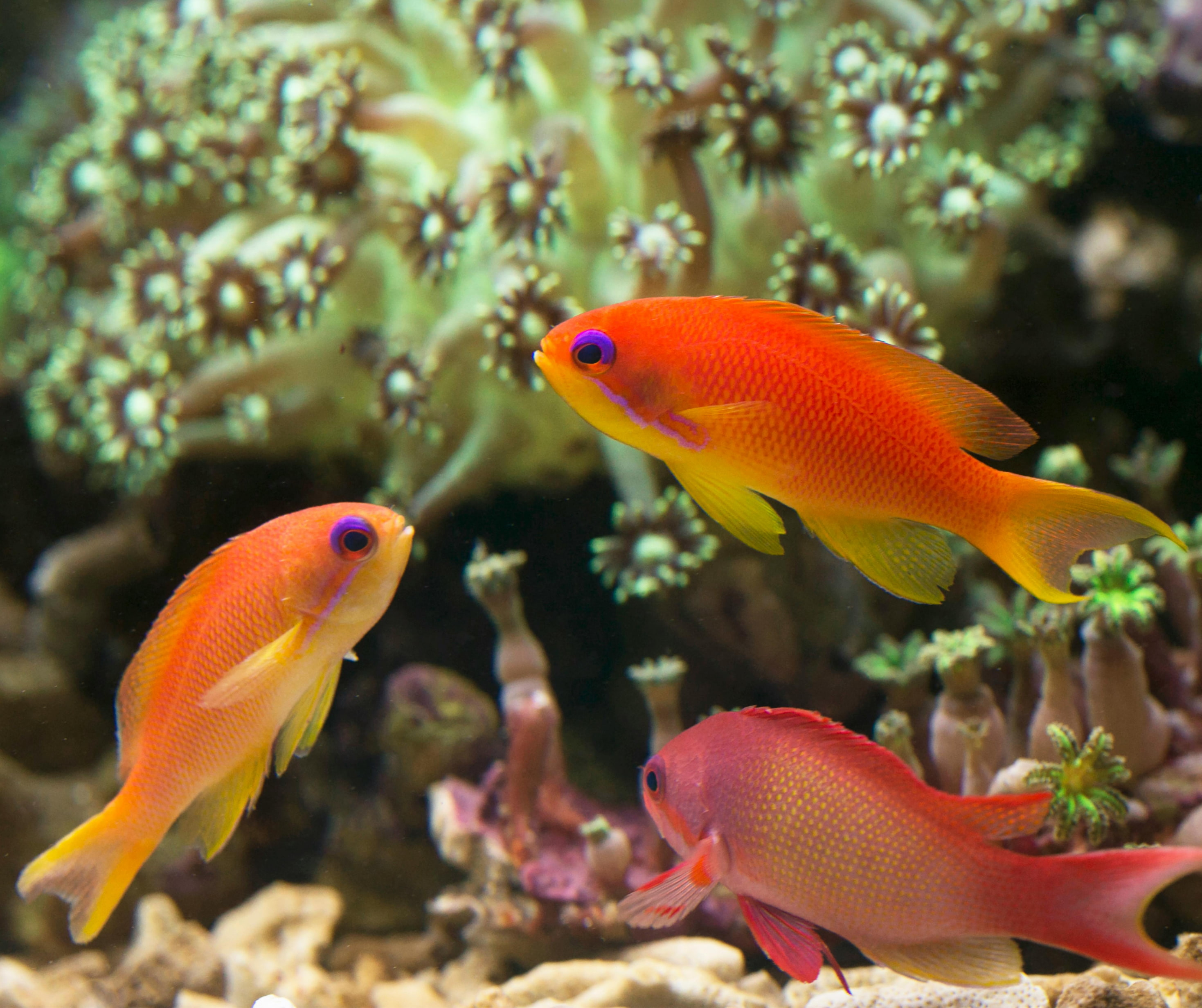
These signs can escalate quickly, sometimes within days, and the infection is known to be particularly aggressive in certain species, often proving fatal in chromis damsels, anthias, and occasionally angelfish and butterflyfish.
Uronema thrives in environments where fish are stressed or immunocompromised.
Common triggers include:
Because Uronema is already present in many systems, outbreaks are often tied to conditions, not just exposure.
Most hobbyists rely on visual inspection to diagnose disease. With Uronema, this approach is unreliable. Not only are the usual lesions associated with Uronema an advanced symptom, but the pathogen can actually reproduce internally before it shows external signs.
By the time lesions appear:
Early detection is critical, but it’s also where Uronema becomes difficult. Even with traditional diagnostic measures such as skin scrapes, Uronema can be easily missed or mistaken for other non-pathogenic ciliates. On top of that, due to its ability to reproduce inside a host, any external diagnostic scrapes will miss internal infections unless biopsied.
Unlike Marine Ich or Velvet, Uronema:
This is where qPCR testing becomes essential.
With dxAquaria’s qPCR HealthScan, you can:
This level of precision is not possible through visual diagnosis alone.
The difference between early and late detection is significant.
When caught early:
When detected late:
Preventing Uronema isn’t only about maintaining good water quality.
A proactive approach includes:
Without visibility, even well-maintained systems can harbor hidden risks.
Uronema is a reminder that not all threats in your aquarium are immediately visible. By the time you see it, it may already be too late.
Regularly test your system with dxAquaria’s qPCR HealthScan and gain clarity on what’s really happening in your tank.